




Source: Early History of the Creek Indians and Their Neighbors (ID121)
Author: Swanton, John (ID85)
Primary doc? 0
Published in:
Race described: Indian
Full text? 1
Online link:
Content id: 123
Filename received:
Filename assigned:
1540-12-25 - 1540-12-25
The Chickasaw came closest to wiping out De Soto's expedition
THE CHICKASAW
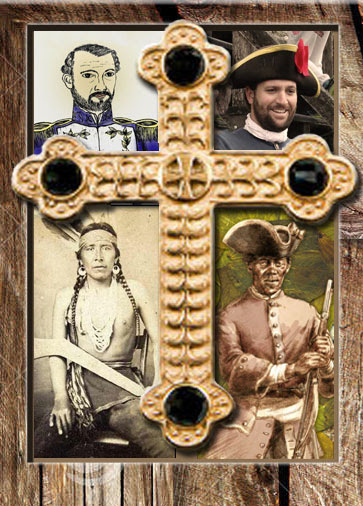
The Chickasaw have had a simple, readily traceable history since the time when they first appear in our documents, and although from the point of view of the historian proper they might be made the subject of a long memoir, a short sketch will satisfy my present purpose. Our first notice of them is in the De Soto narratives and there we learn that they then possessed those great warlike qualities for which they were afterwards noted. De Soto passed the winter of 1540-41, from about Christmas to March 4, in what appears to have been the principal Chickasaw town.3 On the evening of March 3 the Spanish commander made a demand on the Chickasaw chief for carriers so that he could set out in the morning, but early on that very day the Indians suddenly fell upon the camp in four bands, got past the sentinels with fire concealed in little pots—after the manner of Gideon—set fire to the town, and attacked the Spaniards so unexpectedly that only two were able to mount their horses, most of which ran away or were killed. The men on foot were also in such confusion that, had the Indians been aware of their advantage and pressed it, the chroniclers testify that not a soul would have survived. As it was, mistaking the horses running wildly about for cavalry preparing to charge them, the Indians became frightened and fled. Next day the badly shattered European force moved to a smaller town a league away, where the Chickasaw chief himself usually lived. There they set up a forge with bellows of bear skins and began to manufacture new saddles and spears, and to retemper their weapons. Fortunately for them the Indians left them in peace until the new weapons had been completed, and eight days later, when they ventured an assault, they were easily beaten off.1 The Chickasaw thus have the distinction of being the tribe which came nearest to putting an end to De Soto and his entire army, and the escape of the whites was due rather to a number of fortuitous and unexpected circumstances than to their own foresight or bravery. In the interest of history and ethnology we may consider ourselves fortunate that the disaster was averted.
(Swanton)
Cross references
No cross references.